
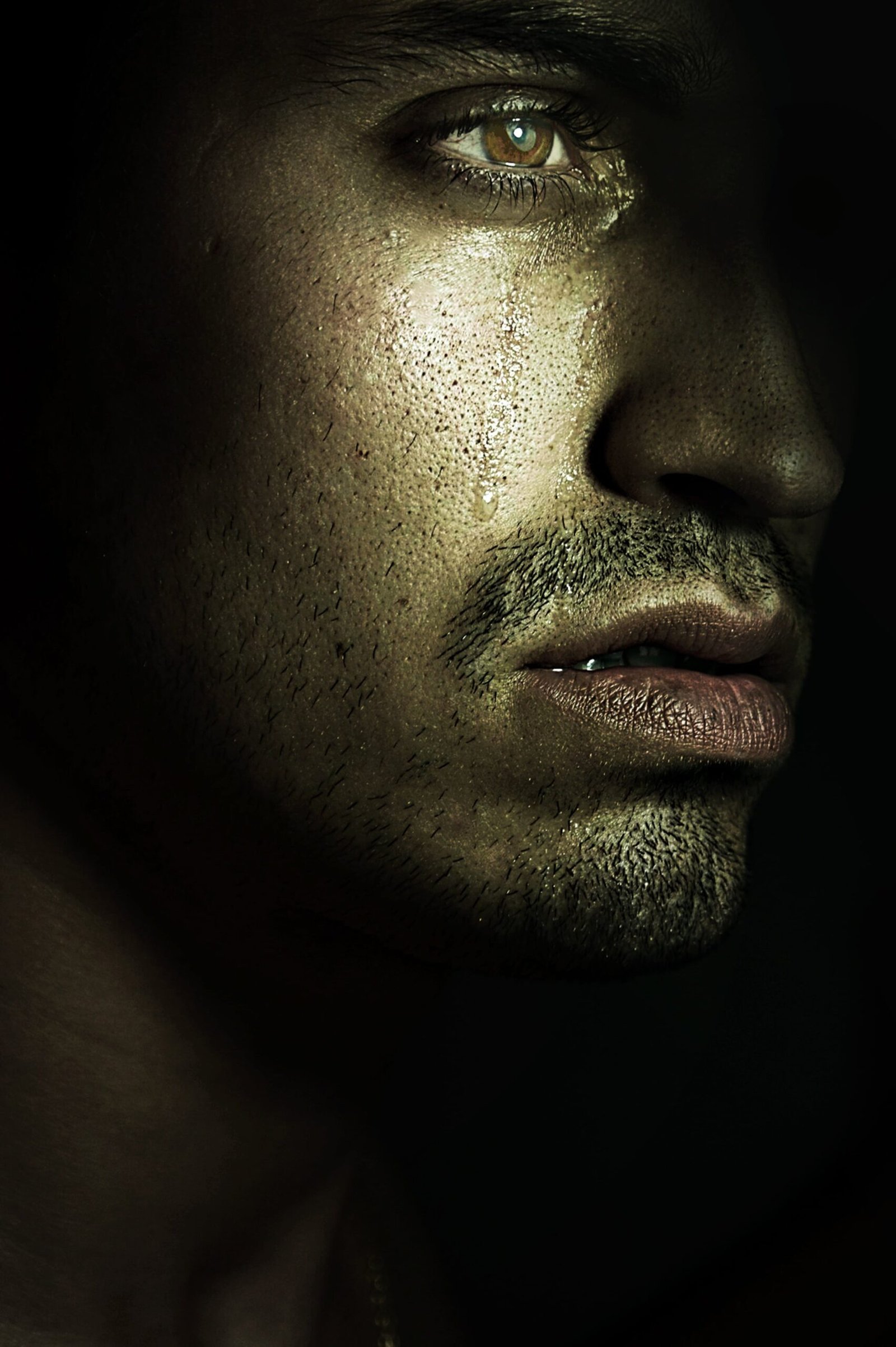
How many times have we been on the receiving end or have even said the words ‘stop crying’, ‘be strong’, ‘big boys don’t cry’, or ‘big girls don’t cry’. The underlying message behind these phrases tells the individual that they are weak for crying – when the truth is that – crying is a basic human emotion.
Why Do Humans Cry?
The function of tears is to help protect and lubricate our eyes. The emotional function, however, is a little more complex. Crying can serve opposing functions, such as when there may be positive or negative experiences. People can cry for varied reasons such as; grief, rejection, insecurities, sadness, frustration, anger, relief, joy, love, gratitude, plus many more reasons.
Sometimes people may cry and not fully know or understand why. The important thing to know regardless of the reasons is – there is absolutely no shame in crying!
What Crying Normally Means in the South Asian Community
‘Strong people don’t cry’ is the common message amongst many South Asian communities, whether Indian, Pakistani, Bangladeshi, Sri Lanken, or Nepalese. Many older genenrations have either not had the psychoeducation of understanding their emotions, naming them, or learning how to express them in a way that is healthy, due to being raised on survival and there not even being space or capacity for this. Therefore, strong emphasis has been placed on resilience, emotional self-control, and social conformity.
The protection, avoidance, or repression of emotions have therefore replaced healthy emotional expression.
Men and women often have different experiences and interpretations of crying – with many boys being told from a young age that ‘boys don’t cry’ all the way into adulthood being told to ‘be a man’. These messages are very unhealthy and potentially mentally damaging for many boys and men. Although crying is slightly more socially acceptable for women, they too a shamed and labelled as being ‘too sensitive’ or ‘too emotional’. Many emotions can therefore become hidden rather than processed openly.
Crying and Emotional Strength
There are a spectrum of emotions, all of which a healthy functioning individual should experience. Crying is one of these, which in fact demonstrates emotional strength through – acknowledging, accepting, and giving yourself permission to process the difficult feelings, rather than escaping or avoiding them.
People who allow themselves to express emotions normally heal quicker and move on in a healthier way, than those who may keep their mental and physical body in a place that keeps them stuck. The suppression of emotions requires significant mental strength and unnecessay stress on your mind and body.
However you respond is authentic to you, but know that if this is through crying, it’s important to honour this experience because it is valid. It shows signs of how strong you are, not weak.
When Crying May Be a Concern
Crying can be concerning if there are underlying symptoms of depression, anxiety, PTSD, burnout – all of which may be a mental health concern. Crying that feels uncontrolloable, rather than a healthy and functional release in response to the situation, can be a sign that something more could going on.
If you yourself are experiencing changes in crying patterns then it could be a good idea to reach out to a trusted friend or family member, a healthcare professional, or a therapist. Recognising when support is needed also shows great strength and is not a sign of weakness. This often reflects self-awareness and a sense of responsbility towards yourself.
Conclusion
In conclusion, it’s really admirable and authentic if you give yourself permission to cry within a safe setting that gives you the release you need. I applaud anyone who has enough resilience to do this for themselves. It will help make life feel a little more manageable, lighter, and you can usually navigate the challenges of life a little better too.
It’s self-connection, not self-avoidance.